
The Role of Luck in Gambling
Luck is often viewed as a cornerstone of the gambling experience, particularly in casinos where the element of chance is prevalent. Many players step into these establishments believing that their fortunes are dictated by luck, a notion that is deeply rooted in the unpredictable nature of games of chance. For example, in a game like roulette, the outcome of a spin is entirely reliant on random chance, leading to the perception that luck is the primary determinant of success, especially when players seek the best casino online options that promise thrilling experiences. This belief fosters a psychological relationship with the game that can significantly impact the overall experience, making it either exhilarating or frustrating, depending on the outcomes.
Moreover, the influence of luck extends beyond mere chance; it can shape players’ decision-making processes in profound ways. When individuals experience a winning streak, they often feel an uplift in confidence, which can lead to increased betting and a willingness to take greater risks. Conversely, a series of losses can breed despair, prompting players to chase their losses and make irrational decisions. This dynamic illustrates how luck has the power to affect not only the results of individual games but also the emotional and strategic approach players adopt while gambling, ultimately shaping their entire casino experience.
Additionally, it’s not uncommon for players to engage in rituals or utilize lucky charms, believing that these acts can sway fortune in their favor. These behaviors, ranging from wearing specific outfits to performing particular routines before betting, highlight the psychological interplay between luck and gambling. While such superstitions do not change the odds of winning, they can enhance a gambler’s sense of control in an environment characterized by uncertainty. Thus, while luck is an elusive concept, it remains a significant influence in how individuals perceive and interact with the casino landscape.
The Mathematics of Casino Games
While the role of luck in gambling is undeniable, it is equally important to understand the mathematical principles underpinning casino games. Each game is meticulously designed with specific odds and a built-in house edge, ensuring that the casino remains profitable over time. Taking blackjack as an example, while skilled players can employ strategies to influence their outcomes, the house maintains an advantage through established rules and limitations that ultimately favor the casino. By grasping these mathematical foundations, players can make more informed decisions, distinguishing between games based on skill and those reliant solely on chance.
Furthermore, understanding the odds can help temper unrealistic expectations about luck. In the case of slot machines, the outcomes are governed by complex algorithms known as random number generators, which ensure that every spin is independent of the previous one. This randomness can lead players to mistakenly believe they are on the verge of a major win based purely on luck. However, recognizing that each spin has the same probability of winning can assist players in managing their expectations and behaviors more effectively, making for a calmer and more enjoyable casino experience.
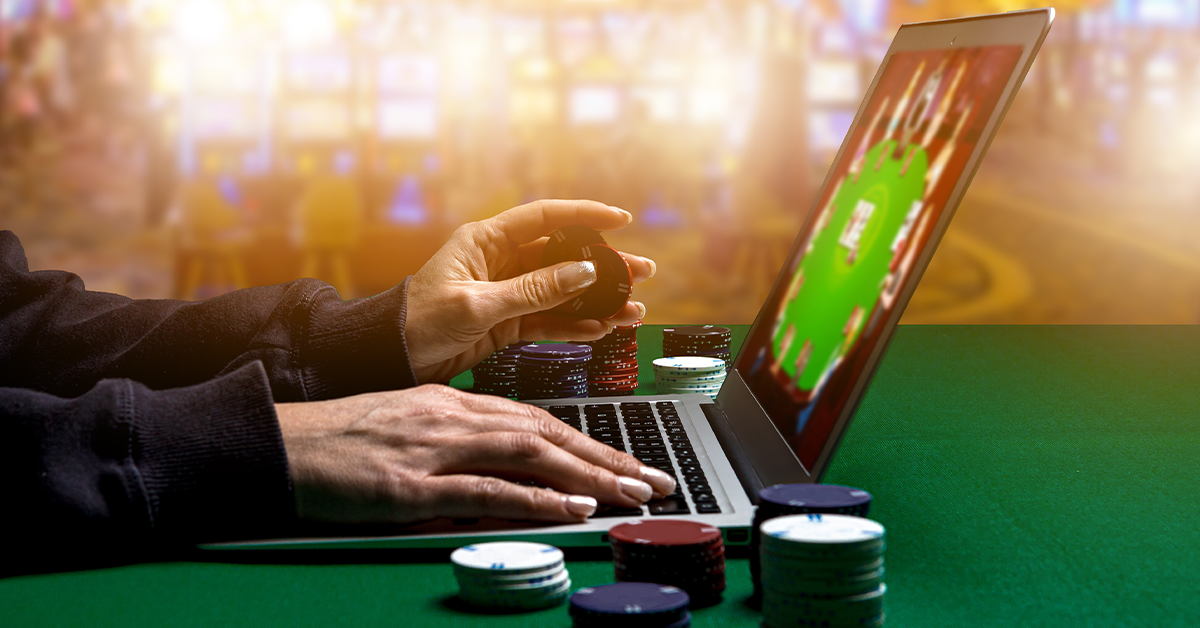
The mathematical aspects of casino games underscore the importance of strategy and informed choices. While players may often attribute their outcomes to luck, they should also consider how their knowledge of the games, along with prudent bankroll management, can significantly influence their overall success. In this context, luck becomes just one factor among many, and adopting a rational approach can enhance the overall enjoyment and effectiveness of one’s casino experience.
The Psychological Aspect of Luck in Casinos
The psychological effects of luck can greatly enrich the casino experience, allowing players to forge connections with both the games they play and fellow gamblers. Many individuals report feeling an exhilarating surge of excitement and anticipation when they believe luck is on their side. This emotional response can transform a simple gambling session into a thrilling adventure, as players become deeply immersed in the excitement of the game, whether it involves cards, slots, or dice. The belief in luck can elevate the experience to new heights, making it memorable and engaging.
However, the reliance on luck can also have detrimental effects on players’ decision-making processes. Those who consistently attribute their outcomes to luck may develop an unrealistic sense of security, leading to poor betting choices. This phenomenon is known as the ‘gambler’s fallacy,’ where players mistakenly believe that previous results will dictate future outcomes. For instance, a player in a losing streak might convince themselves that a win is imminent, prompting them to wager beyond their means. Such misconceptions can lead to significant financial losses and negatively impact mental well-being.
To navigate the psychological aspects of luck more effectively, players must cultivate self-awareness regarding their emotional responses and how these feelings influence their behavior. By acknowledging that luck is a compelling factor but not the sole determinant of outcomes, players can adopt a more balanced perspective. This awareness allows gamblers to appreciate the excitement luck brings while simultaneously embracing a more rational approach, ultimately enhancing their overall casino experience and reducing the associated risks of gambling.
Coping with Luck: Strategies for Gamblers
For individuals seeking a positive casino experience, developing effective strategies to cope with the fluctuations of luck is essential. One practical approach is to set clear limits for both losses and wins before embarking on a gambling session. By establishing boundaries, players can protect themselves from making impulsive decisions driven by perceived luck. For example, a player may decide to walk away after reaching a specific win or loss threshold, which fosters self-control and encourages a more enjoyable and responsible gambling experience.

Another strategy involves choosing games that allow for skill and strategy, rather than relying solely on luck. Take poker, for instance, where players can significantly influence outcomes through strategic thinking and psychological tactics. By honing their skills and understanding the intricacies of the game, players can minimize their reliance on luck and enhance their chances of success over time. This shift towards skill-based gaming can create a more fulfilling gambling experience and reduce the uncertainty that comes with relying purely on luck.
Lastly, engaging with the broader casino environment can be beneficial for players. By joining groups or participating in social games, gamblers can share experiences and strategies with others, reinforcing the idea that while luck plays a role, community and social interaction can greatly enhance the overall experience. Learning from fellow players and providing mutual support helps individuals navigate the ups and downs of luck in a more constructive manner, ensuring that their time at the casino is enjoyable, regardless of the outcomes they face.
Your Guide to a Rewarding Casino Experience
Understanding the role of luck in the casino landscape is vital for players aiming to have a rewarding experience. Those who approach gambling with a clear mindset—balancing the thrill of chance with informed strategies—are likely to enhance their enjoyment while promoting responsible gaming practices. Embracing the unpredictability of luck, while recognizing the significance of skill, can provide a more holistic view of the gameplay experience.
For players eager to delve deeper into fostering a rewarding casino experience, numerous resources are available that explore strategies, psychological insights, and game-specific advice. Engaging with these materials can empower players by helping them navigate the complex dynamics of luck and skill in the casino environment. A well-rounded understanding of both aspects can lead to a more enriching experience, transforming how individuals engage with gaming establishments.
In summary, while luck undoubtedly influences casino experiences, it should be viewed through the lens of strategy and informed decision-making. By adopting a balanced approach to gambling, players can enjoy the thrill of luck while mitigating its potential pitfalls, ultimately resulting in a more positive and enjoyable casino journey. Understanding this balance can lead to better choices and a more rewarding experience for all who choose to engage in the world of casinos.